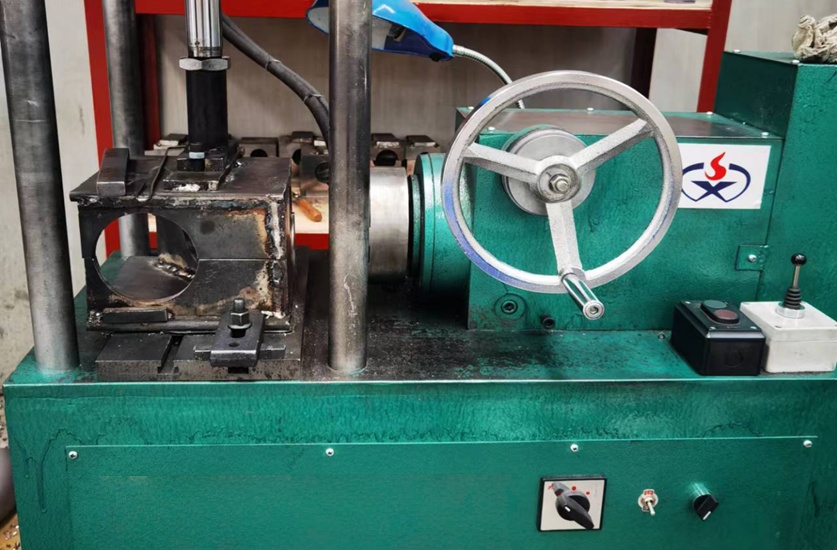


The titanium rod filter utilizes 316L stainless steel as its shell and features a titanium tube as its internal filter element. It boasts lightweight construction, resistance to high temperatures, high pressures, strong acids, strong alkalis, and corrosion. The filter element can be reused after regeneration. This hollow filter tube is produced using powder metallurgy, without undergoing high-temperature sintering of titanium metal powder. It is widely applied in liquid-solid separation in industries such as food, beverage, pharmaceuticals, and chemical engineering. In the pharmaceutical industry, it is particularly suitable for decarburization filtration in large infusion and injection production lines. This series of titanium rod filters are compact in structure and aesthetically pleasing, manufactured according to GMP standards. The tube connections employ standard quick-release fittings, facilitating easy disassembly, assembly, and cleaning.
Precautions for using titanium rod filters
1. Avoid scratches, collisions, dust, and oil stains.
2. During use, its working pressure should not exceed the rated working pressure.
3. During normal use, there should be at least 3-5 minutes of low-pressure startup time, with the relative pressure difference controlled below 0.5 Mpa. Then gradually adjust the working pressure to the normal required level (with the maximum pressure not exceeding 0.4 Mpa).
4. After operating for a certain period, this product may experience pressure increase and flow decrease due to clogged filter elements, requiring backwashing or backflushing for regeneration. The regeneration cycle depends on the rated pressure and flow rate
Cleaning method for titanium rod filter
After being used for a period of time, the titanium rod filter element will become blocked to some extent, manifesting as reduced flow rate and increased pressure at the front end of the filtration system, such as an increase from below 0.22 mPa to above 0.3 mPa. At this point, the filter element needs to be cleaned. There are generally several cleaning methods: 1. For newly used filter elements, backwashing with clean water and air blowing are commonly used for cleaning. This involves injecting clean water at a pressure slightly higher than the working pressure (for example, 0.3 mPa) in the opposite direction for cleaning. The backwashing time is usually about 1 to 3 minutes. 2. If the filtration effect does not significantly improve after multiple backwashes, a solution of hydrochloric acid with a concentration of less than 5%, sulfuric acid with a concentration of less than 8%, or sodium hydroxide (NaOH) solution with a concentration of less than 10% can be used to soak the filter element at room temperature, followed by rinsing with clean water. The specific choice of acid or alkali for cleaning should depend on whether the impurities in the filtered liquid are easily soluble in acid or alkali.

Top

 Contact
0917-3276678
 Scan
Scan





 location: