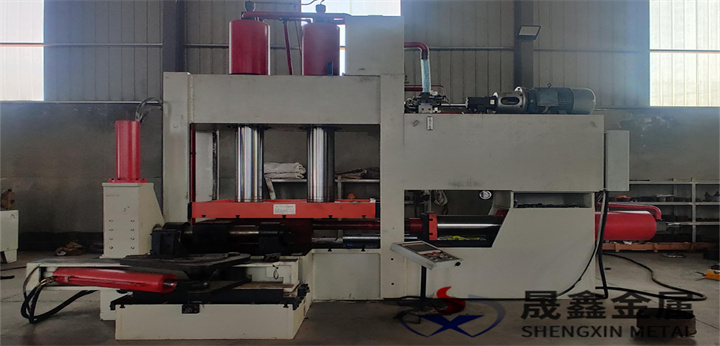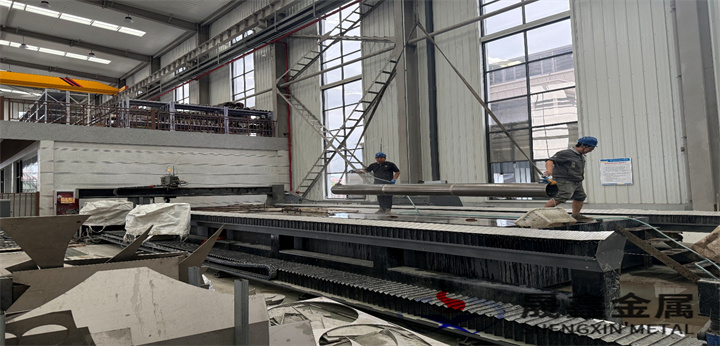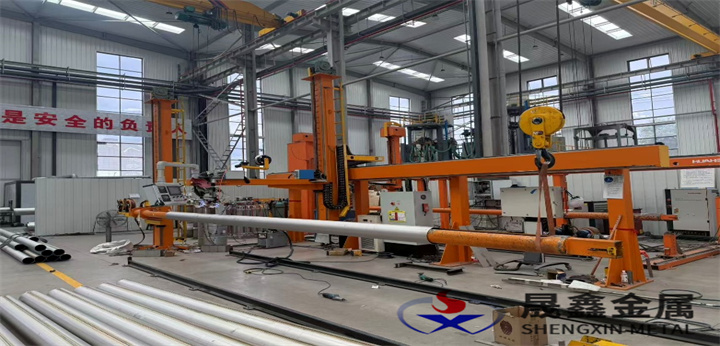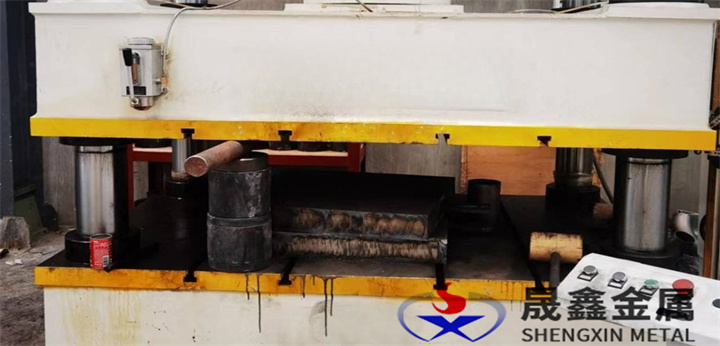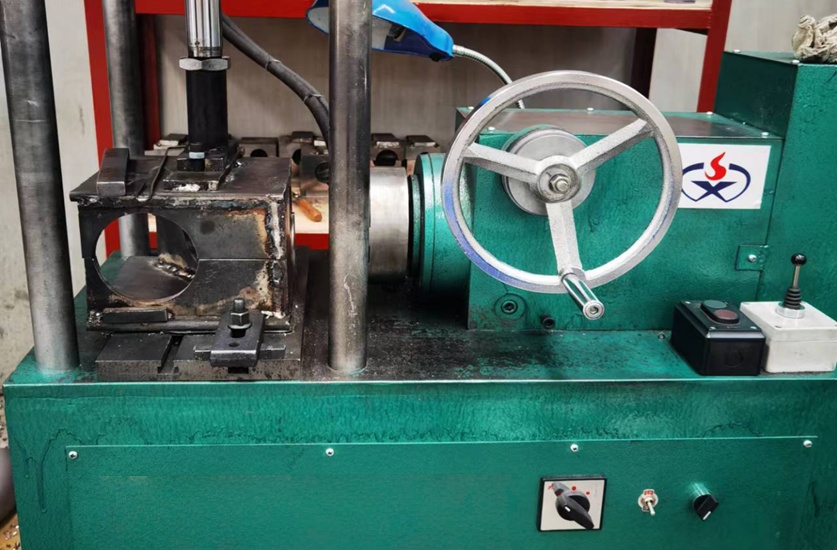


Titanium is chemically very reactive, especially at high temperatures, where it easily reacts with elements such as oxygen, nitrogen, and hydrogen, leading to weld embrittlement and reduced corrosion resistance. Therefore, the core idea of its prefabrication process is to isolate it from the air through standardized processes and automated equipment in a controlled environment, ensuring high consistency and traceability of processing quality. The core of titanium welding lies in strict gas protection
The color of titanium welds visually reflects the protection effect and pollution level during the welding process, and serves as the primary criterion for determining whether the welding is qualified or not:
Silver white/light straw color: Perfect. It indicates excellent protective effect and no pollution.
Golden yellow: Slight oxidation, generally acceptable (depending on project specifications), but already a warning sign.
Blue/purple: Moderate oxidation, usually unqualified, with decreased corrosion resistance.
Grey/off-white powder: severely oxidized and contaminated, absolutely unqualified. All weld seams must be completely removed and re-welded.
The environment is also crucial. Construction must be carried out indoors in a dedicated, clean workshop with good ventilation (but without drafts). It is absolutely prohibited to work outdoors or in windy or dusty areas.
Before welding, it is necessary to mechanically clean the groove and the area extending more than 25mm on both sides using a stainless steel wire brush. Immediately thereafter, acetone or methanol (chlorine-free reagent) should be used for chemical cleaning to thoroughly remove all contaminants such as oil, moisture, and fingerprints. It is absolutely forbidden to touch the cleaned groove with bare hands.
Back protection drag cover: This is the soul of titanium welding. It must be specially designed and made according to the pipe diameter and wall thickness to ensure that it can cover the high-temperature area until it cools down below 400°C. The airflow should be uniform and stable. After welding is completed, the protective gas for the welding torch and drag cover cannot be turned off immediately. It should continue to be blown until the weld cools down to a safe temperature (below about 250-300°C).
Finally, radiographic testing (RT) and penetrant testing (PT) shall be conducted according to process requirements to inspect internal and surface defects. Any repair must adopt the same or even stricter process procedures as the formal welding

Top

 Contact
0917-3276678
 Scan
Scan





 location: